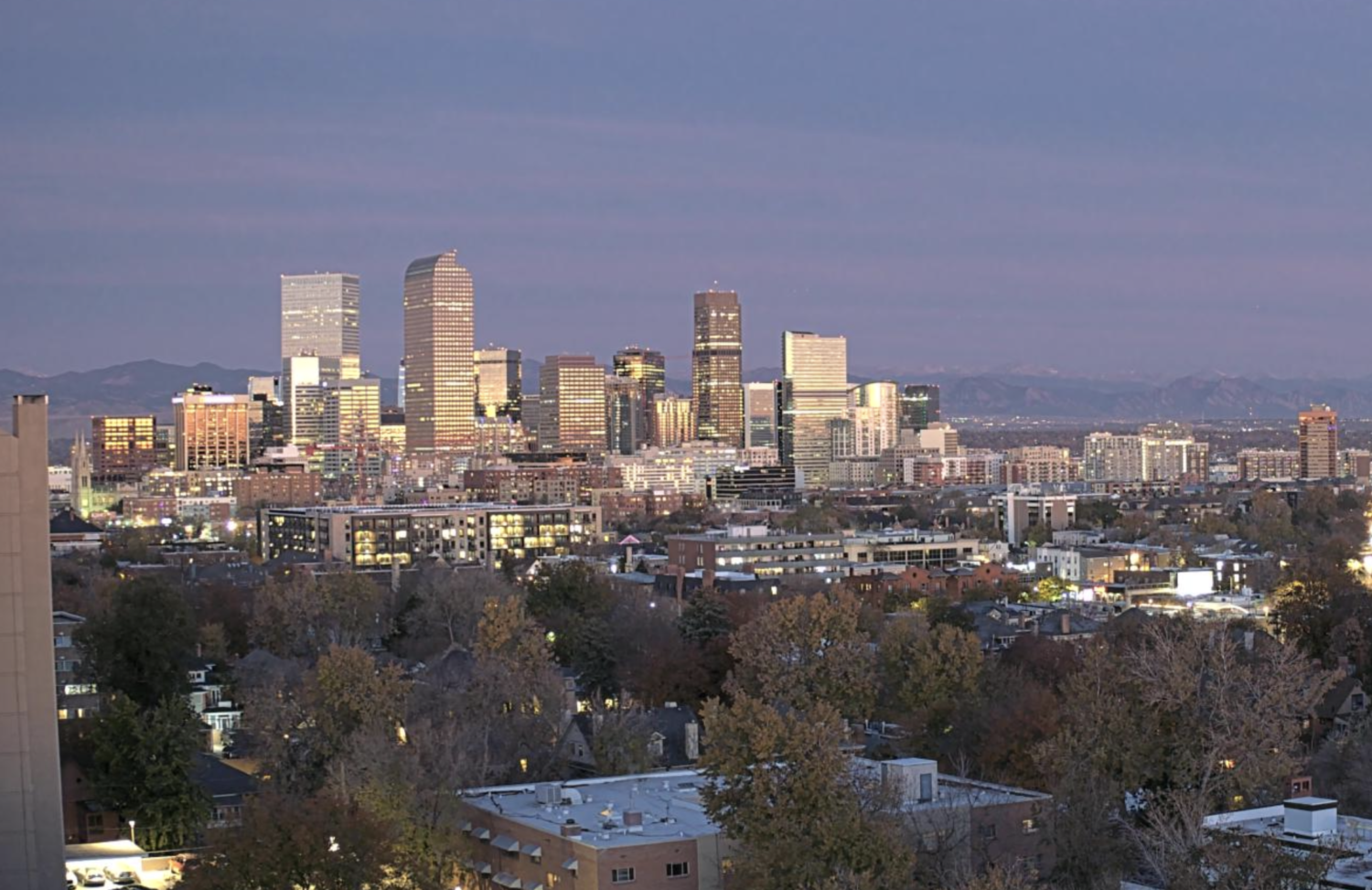
Downtown Denver Revitalization Plan to Guide Next Era of Growth
Denver Introduces Updated Downtown Area Plan to Guide Next Era of Growth
Denver planners introduced a sweeping update to the Downtown Area Plan, the city’s roadmap for growth in the urban core and an amendment to the Comprehensive Plan 2040. The proposal, launched in fall 2024 and was approved by the City Council on November 17, 2025. This plan aims to tackle the challenges facing downtowns nationwide, from high office vacancies to housing shortages, while reimagining the city center as a more vibrant, livable, and inclusive neighborhood.
“This plan reflects thousands of voices, from neighbors at pop-up events to families at community celebrations, all calling for a downtown that’s easier to reach, more affordable to live in, and more joyful to spend time in,” said Denver Mayor Mike Johnston. “By opening the door to more opportunities in our city center, we’re committing to a downtown that is playful, livable, and resilient.”
The update comes as nearly two decades after the original 2007 plan, which helped deliver some of Denver’s most visible successes: the revitalization of Union Station and the Central Platte Valley, the A-Line rail connection to Denver International Airport, and major infrastructure improvements along 16th Street. While the city is looking to incorporate the guiding parameters of those projects, new challenges such as shifting work patterns, affordability pressures, and safety concerns have underscored the need for a new direction.
Where Denver Goest to Play
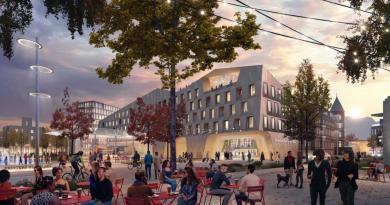
At its core, the new Downtown Area Plan moves away from the traditional “live, work” model and introduces a new guiding idea: “Where Denver Goes to Play.” This theme puts greater emphasis on recreation, public space, and social connection, with a goal of turning downtown into a place where residents, workers, and visitors can all feel ownership. The plan calls for expanded parks and green space, more housing diversity and affordability, improved safety programming, and stronger family-oriented amenities such as schools and childcare.
“This is the bold, action-driven vision that our downtown core deserves and that will bring people, investment and joy into our city center,” said CPD Executive Director Brad Buchanan. “I applaud the outstanding work of our team for bringing the community into this process and delivering a great plan.”
“Downtown is everybody’s neighborhood, and this plan makes that real. The Downtown Area Plan gives us a clear path to create more homes, safer streets, and a city center that works for every Denverite,” said District 10 Councilman Chris Hinds.
Office to Residential Conversions and Corridor Transformation
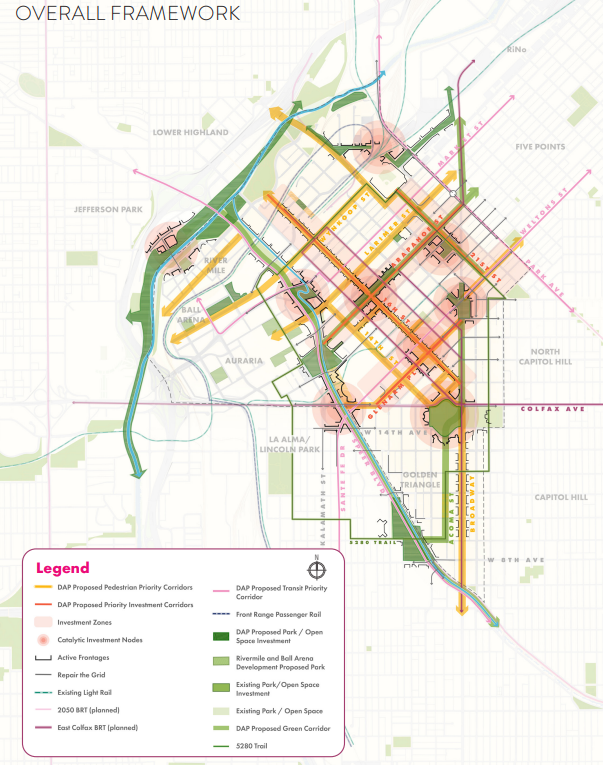
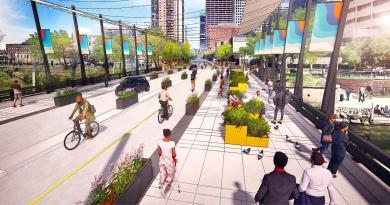
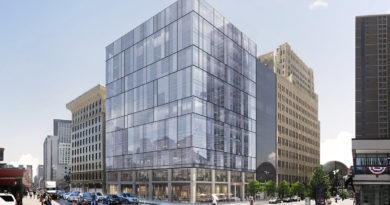
Major corridor transformations are also on the table. City planners propose reimagining Broadway, Speer Boulevard, and Cherry Creek to improve pedestrian access and open new green corridors linking the core to the South Platte River. A transit redesign along Welton Street is under study, which could replace light rail with high-frequency bus service to better connect downtown with Five Points. The plan further calls for integrating sustainability goals, encouraging office-to-residential conversions, and fostering a more balanced mix of public and private investment.
“This new Downtown Area Plan envisions an urban core that thrives both economically and as a community hub, thoughtfully connecting Denver's neighborhoods to the heart of our city,” said District 9 Councilman Darrell Watson.
While the 2024–25 update builds on more than a dozen previous studies, including the Upper Downtown Plan (2019), Golden Triangle Design Guidelines (2021), and Civic Center Next 100 Plan, this version stands out for its immediate implementation focus. The plan includes an action roadmap with defined timelines and responsible departments, a key demand from council members and developers alike.
City Council's approval will set the stage for upcoming capital projects and private reinvestment across the downtown core.
The Downtown Area Plan community process was co-led by the City and County of Denver and the Downtown Denver Partnership in collaboration with lead consultant Sasaki and project partners, Radian, OV Consulting, SB Friedman, Root Policy Research, Affiliated Engineers Inc., ArLand Land Use Economics and Historic Denver.